Get Tree Curbing Installation
Tree curbing installation services help property owners prevent tree damage, control growth, and improve safety by securing and shaping tree roots and trunks.
Tree curbing installation is a practical enhancement for property owners looking to improve landscape aesthetics, define garden boundaries, or protect walkways and driveways from root intrusion. If you are considering a landscaping project that involves managing tree growth or creating a polished outdoor appearance, you're in the right place. Local contractors who specialize in tree curbing can provide guidance on the best options for your property, helping you plan a project that aligns with your outdoor goals.
Exploring your options for tree curbing installation involves comparing services offered by nearby professionals who understand the unique needs of properties in the area. Whether aiming to prevent damage from tree roots, enhance curb appeal, or establish clear property lines, connecting with experienced service providers can make the process smoother. Keep reading to discover how local contractors can assist with your landscape planning and bring your outdoor vision to life.
- Tree Curbing Installation - when property owners need to define landscaped areas or prevent tree roots from encroaching on structures.
- Tree Curbing Installation - to enhance curb appeal and create a polished look around trees in residential or commercial landscapes.
- Tree Curbing Installation - when existing curbing has been damaged or deteriorated and requires replacement or repair.
- Tree Curbing Installation - to establish a clear boundary between lawns and planting beds, helping with landscape organization.
- Tree Curbing Installation - for properties seeking to improve safety by preventing tripping hazards caused by uneven ground near trees.
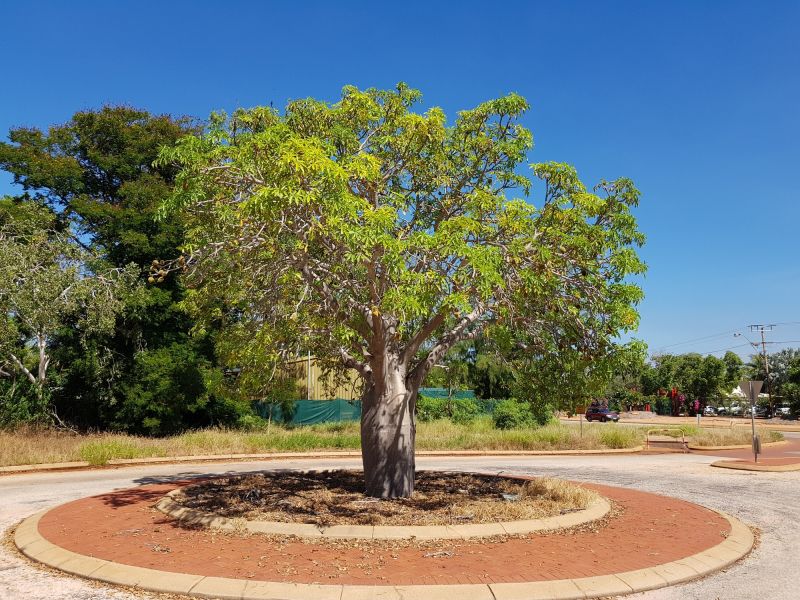
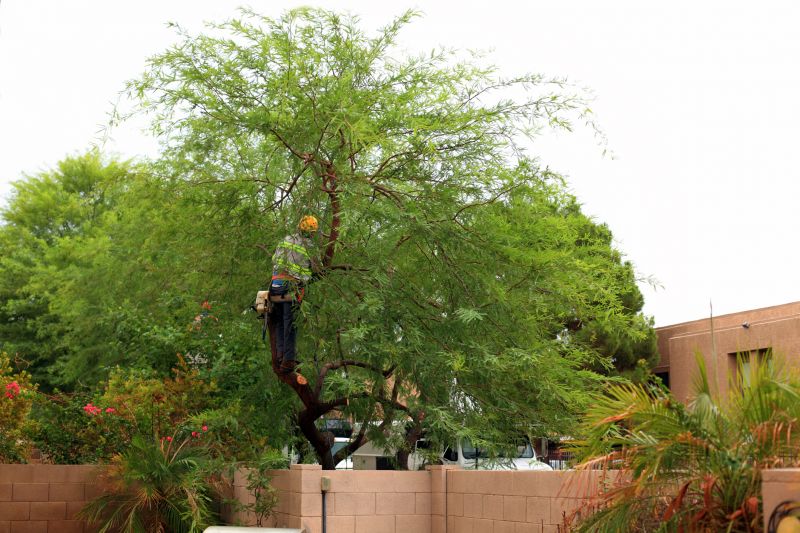
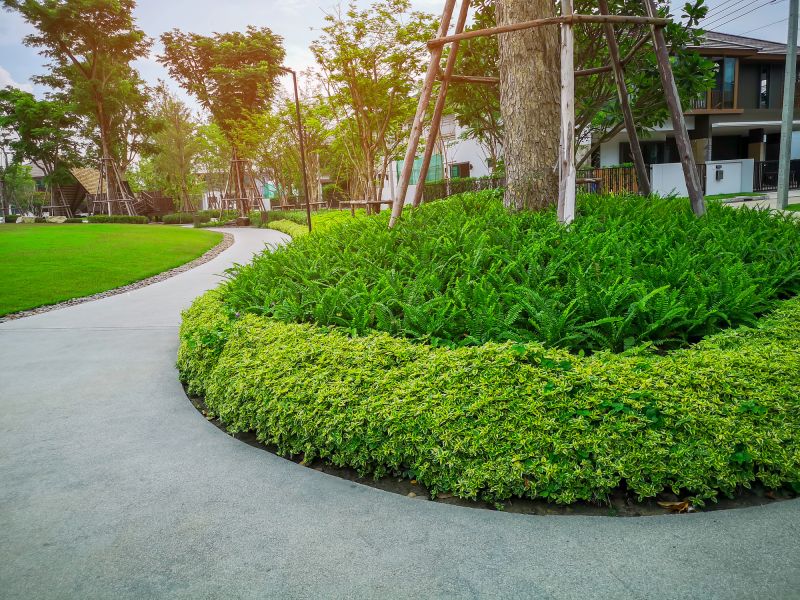
Tree curbing installation involves placing a barrier or border around the base of trees to define the planting area and protect the roots. This service typically includes the careful placement of materials such as concrete, brick, stone, or metal edging to create a clean, durable boundary. Proper installation helps prevent soil erosion, keeps mulch or landscaping materials contained, and provides a clear visual separation between the tree and surrounding lawn or garden areas. Skilled contractors ensure that the curbing is installed at the correct height and depth to support healthy tree growth while enhancing the property's overall appearance.
This service addresses several common problems faced by homeowners. Without proper curbing, mulch or soil can wash away during heavy rain, exposing roots and potentially causing damage or stress to the tree. Overgrown roots may also encroach on walkways, driveways, or lawn areas, creating tripping hazards or damaging pavement. Additionally, uncontained mulch or soil can lead to weed growth and make yard maintenance more difficult. Tree curbing installation helps mitigate these issues by providing a stable, defined border that maintains the integrity of landscaping and promotes the health of the tree.
Properties that often benefit from tree curbing installation include residential yards, commercial landscapes, parks, and community gardens. Homes with mature trees or newly planted ones frequently seek this service to improve curb appeal and ensure proper maintenance. Commercial properties may use curbing to create a neat, professional look while protecting landscaping investments. Parks and public spaces also utilize tree curbing to manage large tree populations effectively, preventing damage to infrastructure and maintaining safety for visitors. Overall, any property with valuable or prominent trees can find this service helpful in maintaining a tidy and healthy landscape.
Homeowners considering tree curbing installation typically notice issues like soil erosion around trees, mulch spilling into walkways, or roots growing into unwanted areas. If the landscape around a tree looks uneven or if mulch frequently washes away after storms, it may be a sign that curbing could improve the situation. Additionally, if there are concerns about safety hazards from exposed roots or tripping risks, consulting with local contractors about curbing options can be a practical step. Contacting experienced service providers can help determine the best approach to protect both the landscape and the health of the trees.
The overview below groups typical Tree Curbing Installation projects into broad ranges so you can see how smaller, mid-sized, and larger jobs often compare in your area.
In many markets, a large share of routine jobs stays in the lower and middle ranges, while only a smaller percentage of projects moves into the highest bands when the work is more complex or site conditions are harder than average.
Smaller Repairs - Typical costs for minor tree curb repairs range from $250 to $600 for many routine jobs. Most projects in this range involve fixing or reinforcing existing curbing without major modifications. Fewer projects fall into the higher end of this spectrum.
Moderate Installations - Installing new tree curb borders or replacing damaged sections generally costs between $600 and $1,500. These projects are common for residential properties and can vary based on the size and complexity of the area.
Full Replacement - Complete removal and replacement of existing tree curbing usually falls between $1,500 and $3,000 for typical projects. Larger or more intricate installations can reach higher costs, especially with custom designs or extensive site prep.
Large or Complex Projects - Larger, more complex tree curb installations or those requiring special materials can exceed $3,000 and may reach $5,000 or more. Such projects are less frequent and often involve additional site work or unique design features.
Actual totals will depend on details like access to the work area, the scope of the project, and the materials selected, so use these as general starting points rather than exact figures.
Landscape Edging Projects - Local contractors skilled in landscape edging can apply similar techniques and tools used in tree curb installation to define garden beds and pathways effectively.
Hardscape Installation - Hardscape projects such as patios and walkways require planning, leveling, and the use of similar tools as those used in tree curb setup.
Soil Preparation and Grading - Proper soil prep and grading for lawns or gardens involve planning and equipment comparable to those used in installing tree curbing.
Retaining Wall Construction - Building retaining walls involves planning, site assessment, and the use of tools that are also common in tree curb installation projects.
Garden Bed Installation - Creating defined garden beds often requires edging and planning skills similar to those used in tree curb installation services.
Concrete Curbing Services - Concrete curbing projects involve precise planning and tool use akin to tree curb installation, often handled by the same types of local service providers.
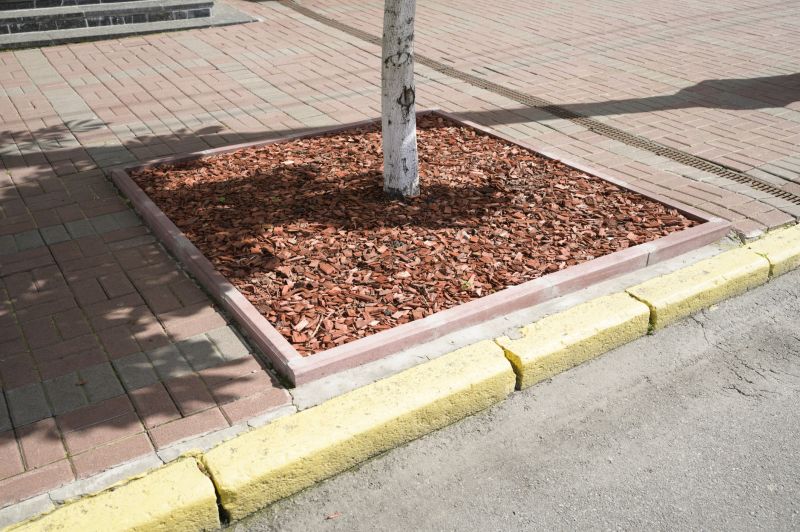
When comparing local contractors for tree curbing installation, it is important to assess their experience with similar projects. Homeowners should inquire about how long the service providers have been working in the area and whether they have a history of completing tree curbing work comparable to the scope of their project. A contractor’s familiarity with different types of trees, soil conditions, and landscape layouts can influence the quality and durability of the installation. Gathering information about past projects helps ensure that the chosen professionals have the practical knowledge needed to handle specific challenges and deliver results that meet expectations.
Clear, written expectations are essential when evaluating potential service providers. Homeowners should seek detailed estimates that outline the scope of work, materials to be used, and any specific considerations relevant to the project. Having these details in writing helps prevent misunderstandings and provides a reference point throughout the process. Service providers who communicate their plans transparently and provide comprehensive documentation demonstrate professionalism and a commitment to clarity, making it easier to compare options objectively.
Reputable references and effective communication are key factors in selecting reliable local contractors. Homeowners are encouraged to ask for references or examples of completed projects to gauge the quality of work and customer satisfaction. Additionally, responsive and straightforward communication during initial contacts can indicate how well a contractor understands client needs and how easily future interactions will proceed. Choosing a service provider who values clear dialogue and has positive references can lead to a smoother project experience and a final result that aligns with the homeowner’s goals.
Property owners use Tree Curbing Installation services for practical projects around their homes and businesses. This guide focuses on everyday jobs and straightforward project options.
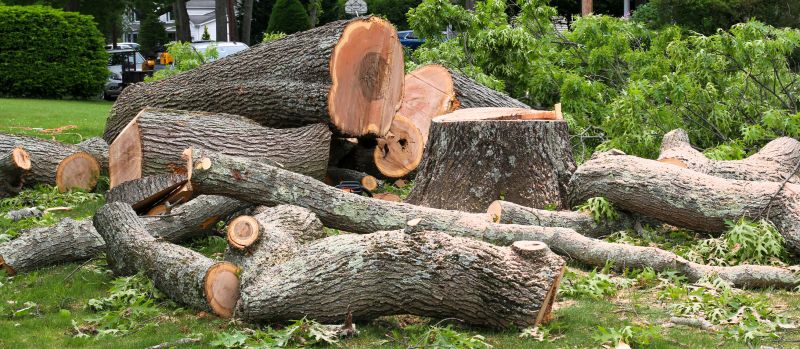
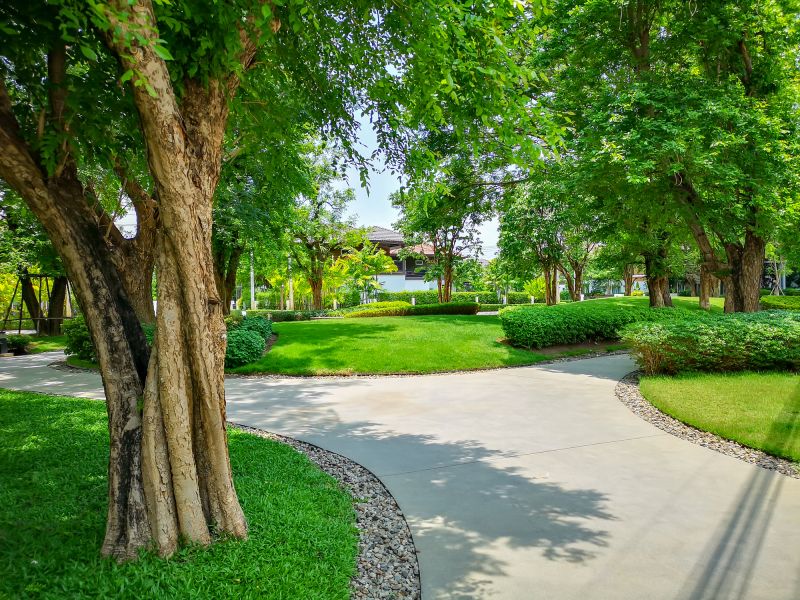
Tree curbing installation is a common project for property owners looking to improve the appearance and safety of their outdoor spaces. Local contractors can help with installing or replacing tree barriers to prevent damage to sidewalks, driveways, and landscaping caused by growing roots. Homeowners and business owners may seek these services when preparing for seasonal changes, managing overgrown trees, or enhancing curb appeal with neat, defined tree borders.
Additionally, property owners often turn to local service providers for tree curb installation when they want to create clear boundaries around trees for safety or aesthetic reasons. Whether addressing root intrusion issues or simply maintaining a tidy landscape, these professionals can handle a variety of needs related to tree edging and curb installation, helping to keep outdoor areas organized and visually appealing.
What is tree curbing installation? Tree curbing installation involves creating a barrier around a tree’s base to protect the root zone and enhance landscape appearance. Local contractors can handle the installation to suit different yard needs.
Why should I consider tree curbing for my property? Tree curbing helps prevent damage from lawn equipment, controls soil erosion, and provides a clean, finished look to landscaping. Service providers can advise on the best options for specific trees.
What materials are used for tree curbing? Common materials include concrete, brick, stone, or wood. Local pros can recommend the most suitable material based on the landscape design and durability requirements.
Can tree curbing be customized to fit different yard styles? Yes, tree curbing can be customized in shape, size, and material to complement various landscape styles. Local contractors can create tailored solutions for individual properties.
Who can install tree curbing on my property? Experienced local service providers and contractors specializing in landscaping and tree protection can handle tree curbing installation to meet specific landscape needs.
Tree Curbing Installation - Helps property owners create clear boundaries around trees to prevent damage from lawn equipment or foot traffic.
Tree Curbing Installation - Provides a neat and defined look to landscape edges, enhancing curb appeal and property value.
Tree Curbing Installation - Protects tree roots from soil erosion or compaction by installing durable barriers around the base.
Tree Curbing Installation - Assists in managing water flow and drainage around trees to promote healthy growth and reduce runoff issues.
If you are thinking about Tree Curbing Installation for a property, this guide is meant to help you understand the work, the typical project types, and how different options might fit your plans.
When you are ready, you can use the quote form on this page to share a few details about your project. From there, local pros can review the basics and respond with options that match what you have in mind.